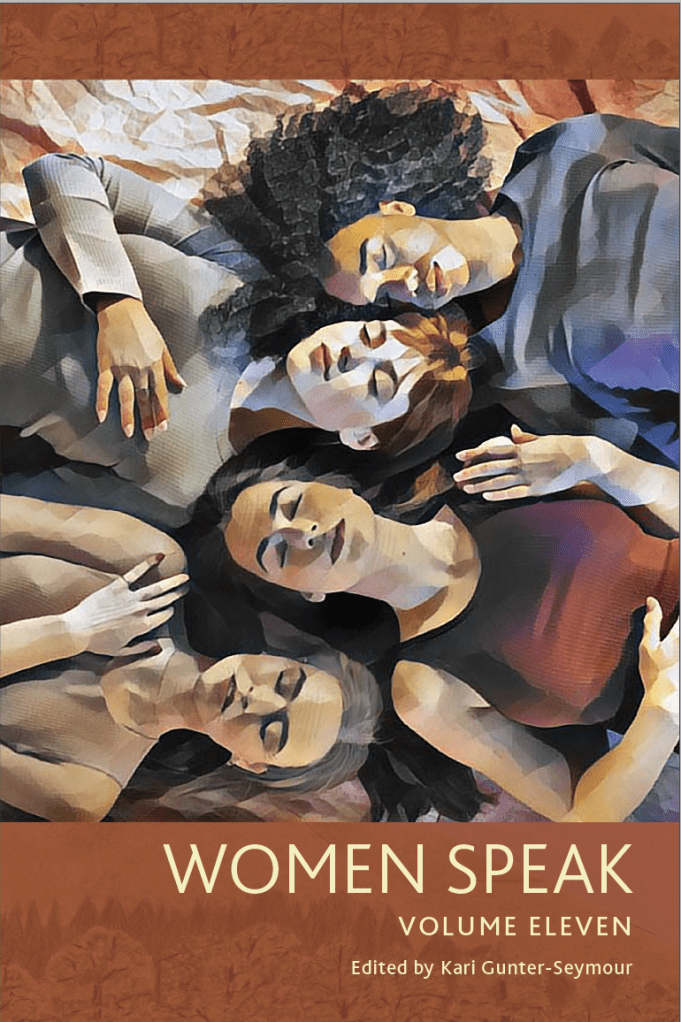
This year’s installment of Women Speak is almost out, and here’s the cover. So proud to be included alongside so many wonderful women writers. Yay!
Writer, Teacher
This year’s installment of Women Speak is almost out, and here’s the cover. So proud to be included alongside so many wonderful women writers. Yay!
Recently, I was on a panel for a podcast called Story Works. Our topic was “What Makes Writing Objectively Good?” Big thanks to Alida Winternheimer for inviting me, and a shout out to all my other co-panelists: Mark, Daniel, Miriam, Liz, and Kathryn. Here’s the link to the episode:
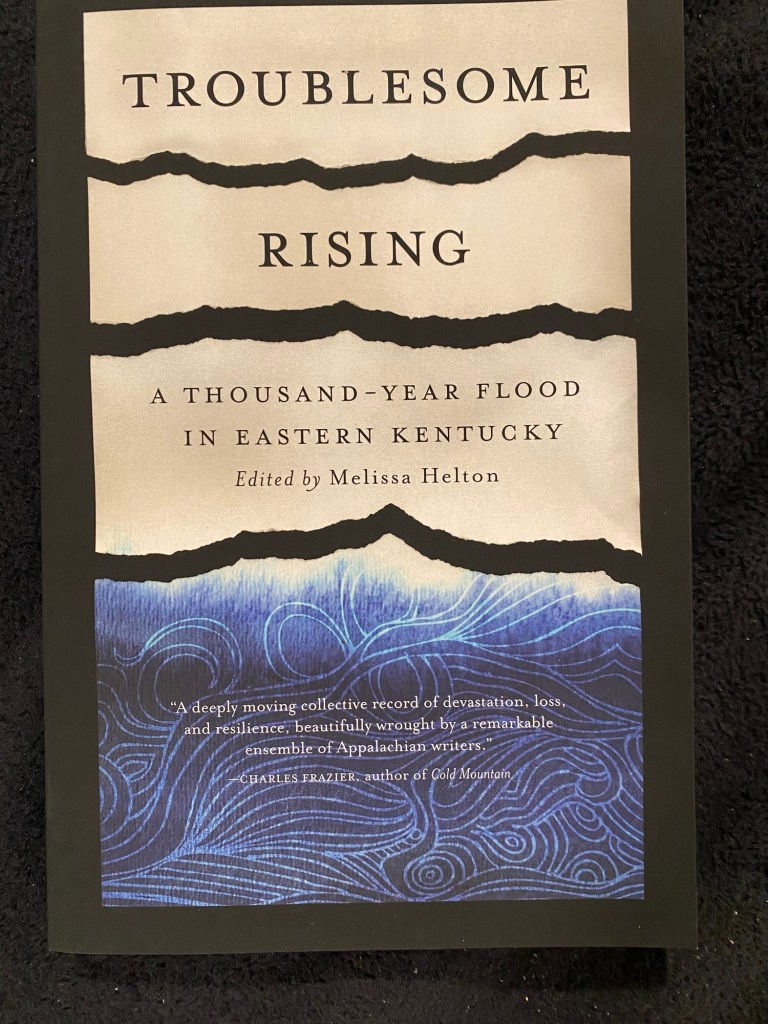
I have a short story in Troublesome Rising: a Thousand-Year Flood in Eastern Kentucky. This anthology focuses on the historic flood in summer 2022. So many people lost their lives in that flood, and University Press of Kentucky decided to publish this anthology in remembrance of them.
I’m proud to be included in this beautiful book with so many good writers! Here’s a link to purchase it:
https://www.kentuckypress.com/9781950564422/troublesome-rising/
Excited to announce I’ll be leading the memoir writing workshop for the Tennessee Mountain Writers. The workshop will be a mixture of craft lectures on writing about family and writing about place. More info here.

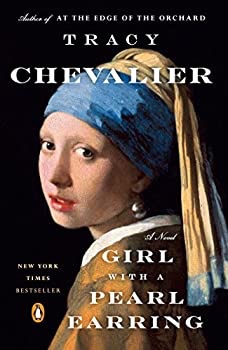
I re-listened to this one today. It’s told in simple language and has lovely descriptions (eg. A man’s deep voice compared to a well, the descriptions of Vermeer’s paintings). the story follows Griet, a Dutch girl who works as a maid for Vermeer, the painter. Griet must contend with Vermeer’s jealous wife and some other headstrong family members to work as their maid. She comes from a family led by a blind father who cannot financially support his family, and thus she becomes a maid at age 16. The story is set in the 1600s in Delft, a period I know nothing about. Most historicals I read are set in the 20th century. Give this one a listen if you have a chance. The audio is narrated by a young woman with a quiet and pleasant voice.
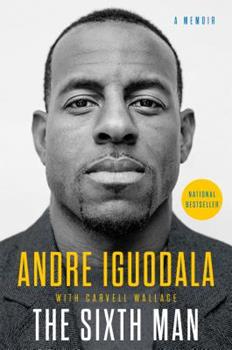
I know I’ve mentioned my love of memoir before, but I’ve failed to mention that I particularly enjoy sports memoirs. Add Andre Iguodala’s book The Sixth Man to the list of ones I’ve read recently. I, of course, listened to the audiobook, as per usual these days.
Iguodala writes about growing up with a mother who taught him tough love in a town (Springfield, IL) haunted by its ugly, racist past. He goes on to play basketball professionally and becomes quite successful.
My favorite part? When he describes being heckled by a fan who says things like, and I’m paraphrasing here, “Why’s this guy shooting? He’s only averaging 30% from the field!” That line cracked me up. Not only was the fan astute enough to know the player’s stats, but obnoxious enough to scream them aloud. That section of the book also surprised me because I’d never stopped to think about how much heckling hurts a player’s feelings. I’ve seen pro women’s tennis players react to being heckled. (One cried a few years back.) But for whatever reason I never imagined pro male players could be sensitive to criticism. I guess I thought they were made of steel or something. Boy, was I wrong. Iguodala makes it known that the heckling and the criticism from the press did get to him. He channeled negativity into something positive by motivating himself to work harder and prove his worth.
Iguodala doesn’t shy away from politics and money. He talks about the frustrations of being traded. He even describes how pissed he was when he made the comment, “I do what mastah say,” after being asked about his plans before a big game. As Iguodala’s book shows us, even wealthy blacks face racism, and being an athlete gives you a platform to shed light on important issues in our country, such as racism and class privilege.
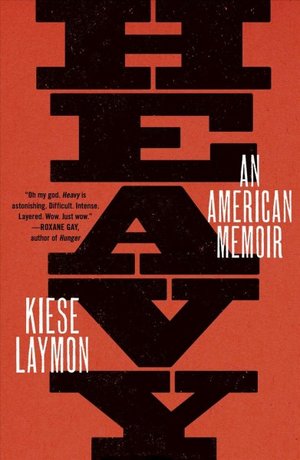
I’m reading a lot of memoir lately. There’s something wonderful and exciting about hearing a person’s story in their own voice. Last year, I taught Heavy by Kiese Laymon in my nonfiction workshop. It’s one of the best books I read last year. Perhaps the thing I like best about it is that Kiese Laymon reads the audiobook himself. You get to hear his country, black Southern accent and how he pronounces words like “nan” and “scrimps” in his own dialect. Not everyone is a good reader for their own work, (or any work for that matter), but he’s a spectacular reader. He has great inflection and puts just the right amount of emotion in his voice. The story is mostly about his growing up years in Mississippi. Laymon has a mother who instilled in him the importance of education, and yet I hesitate to call her wonderful because she’s also angry and abusive toward him. Laymon’s title is a double entendre. He writes about heavy subjects, such as racism and poverty, but the memoir also focuses on how physically heavy he becomes as a result of his eating disorder. This book forced me to think about the ways in which people abuse and neglect their own bodies as a result of life problems or low self-esteem.
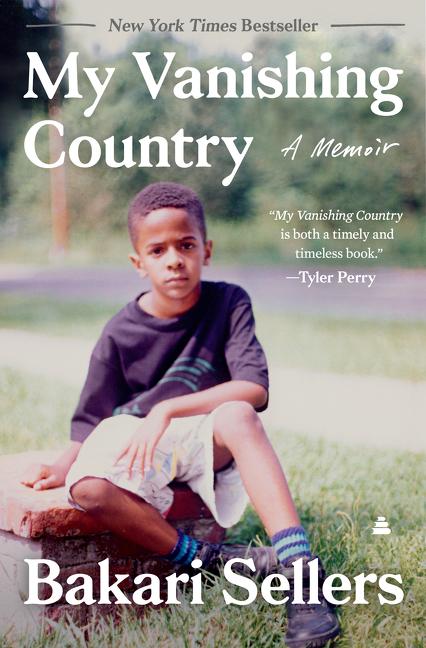
Bakari Sellers’s book, My Vanishing Country is another story about a country boy who achieves a lot through hard work and education. I think it’d be interesting to teach Laymon and Sellers alongside each other. Sellers became a lawyer and a politician at a young age, and his story is definitely inspiring. However, what I liked best about it was that he educated me on the Orangeburg Massacre, a Civil Rights era killing of protestors by police officers. This massacre is one I’d never heard of before. Three people died, and many more were injured when police opened fire on a large group of unarmed protestors.
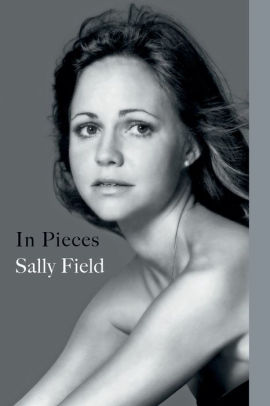
Sally Field’s memoir, In Pieces, is a bit longer than it needs to be. I feel she spends too much time on her childhood. I haven’t heard quite all of the book yet, but I’ve heard enough to recommend it. She reads it herself and has a controlled voice that handles even sensitive subject matter with a quiet confidence. Field details her childhood and how she comes from a family of actors. She is sexually abused by her stepfather, which I think makes her vulnerable and lacking in self-confidence. It was surprising to learn that she often feared being an out-of-work actress. She’s made so many films and television series that I always thought of her as someone who has had constant work. Field basically says that in her early career she was typecast as an actress who was not to be taken seriously due to her role in The Flying Nun. I’m not old enough to remember that television series and it wasn’t in syndication when I was growing up. I’ve only seen her in serious roles, so it’s hard to imagine she was cast differently in her early career. One thing that didn’t surprise me was when she tells of a sleazy director who makes her take off her top and kiss him as part of her audition for a role. Later, he comes to her for sex while working with her on the film. Such a slimy story, but it’s not a surprising one, given what we’ve all heard and read about the Me, Too movement and how it’s exposed so many powerful men in Hollywood. Overall, in her book Sally Field comes across as more lonely than anything else. She also constantly desires approval from others. Like Kiese Laymon, Sally Field also suffers from an eating disorder. I bought this audiobook of hers because she’s one of my all-time favorite actresses. I loved her in Norma Rae, which is a favorite movie of mine.
 Monic Ductan